
0 %

Children’s Mental Health Publications & Visual System

Overview

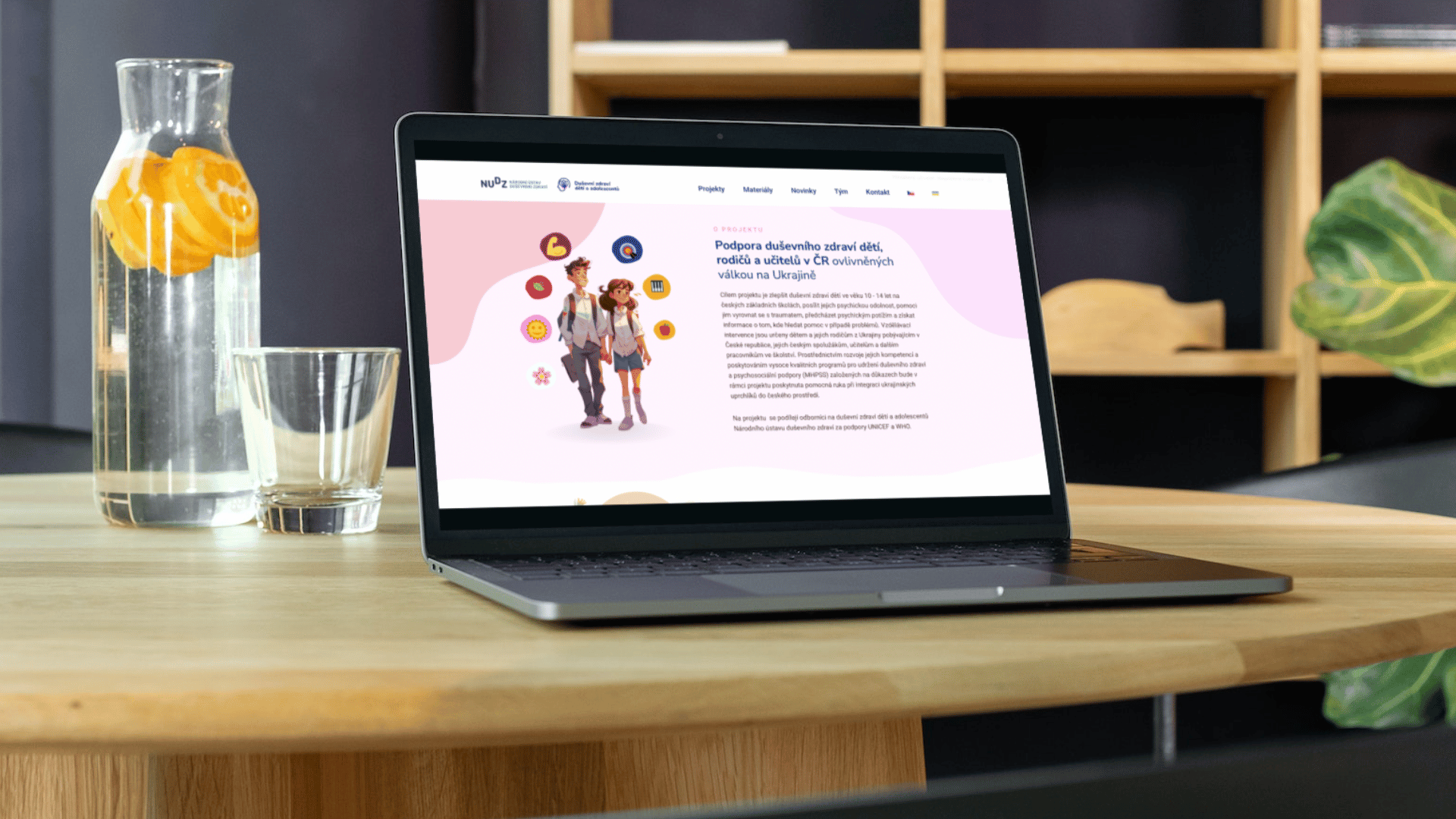
The Duševní zdraví dětí a adolescentů research group at NUDZ developed a wide range of educational and support materials focused on children’s mental health, including programmes for Ukrainian war refugees, their parents, and teachers in Czech schools. One of the key projects, running from 2022 to 2024 with support from UNICEF and WHO, focused on helping children aged 10–14, their families, and school staff cope with the psychological impact of the war in Ukraine and support integration into Czech classrooms. The group also created other educational programmes such as Bez obav, aimed at parents of anxious children. 

Challenge

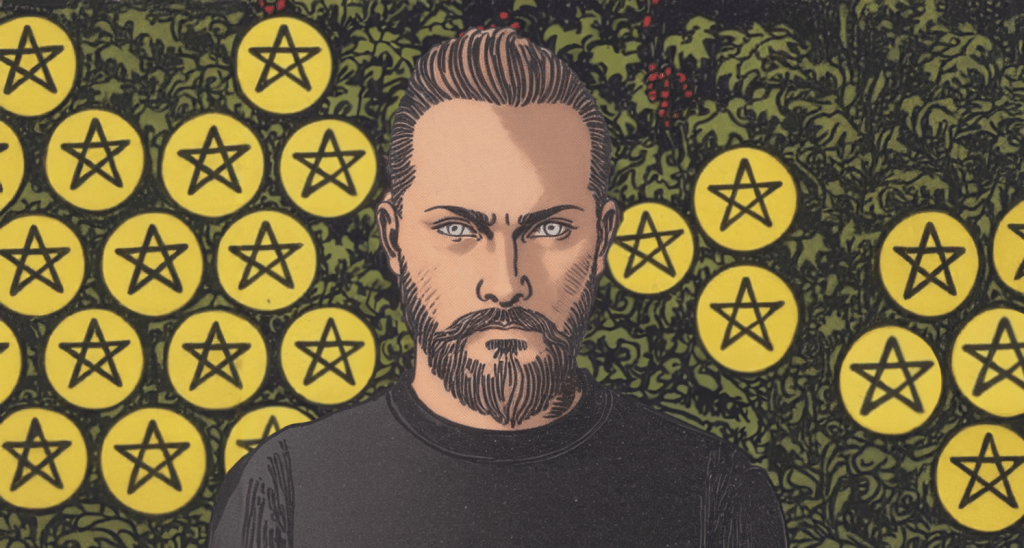
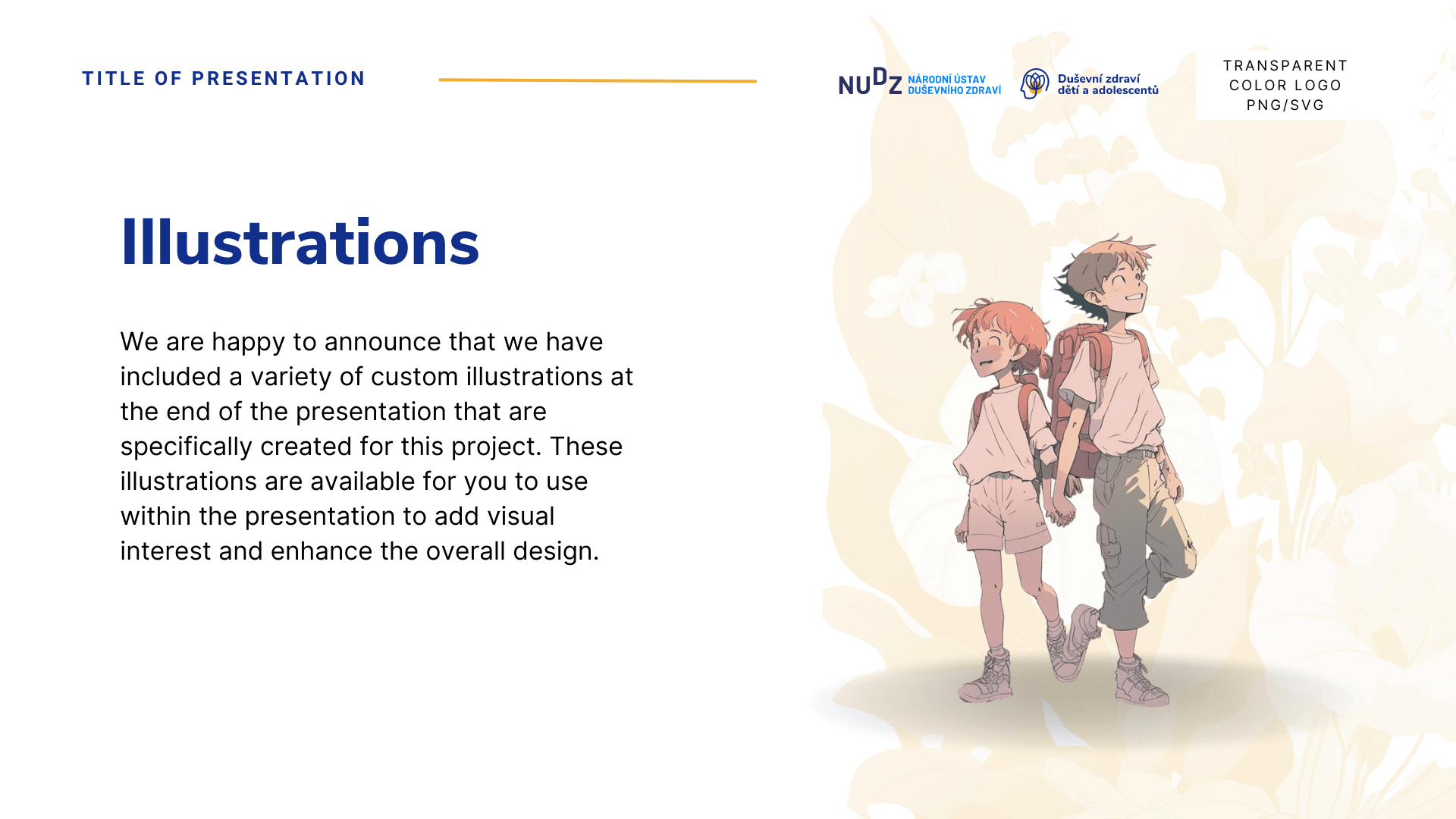
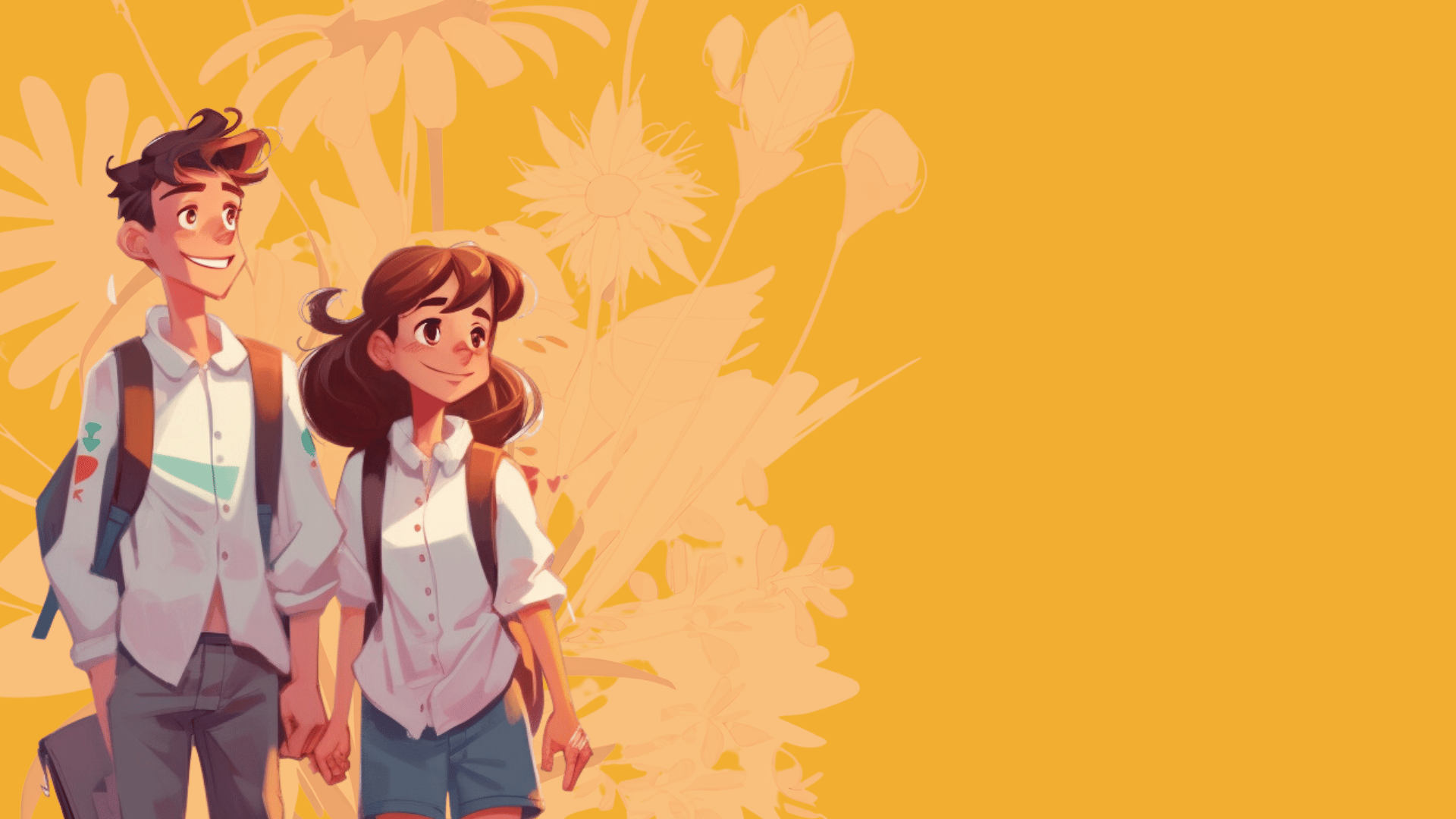
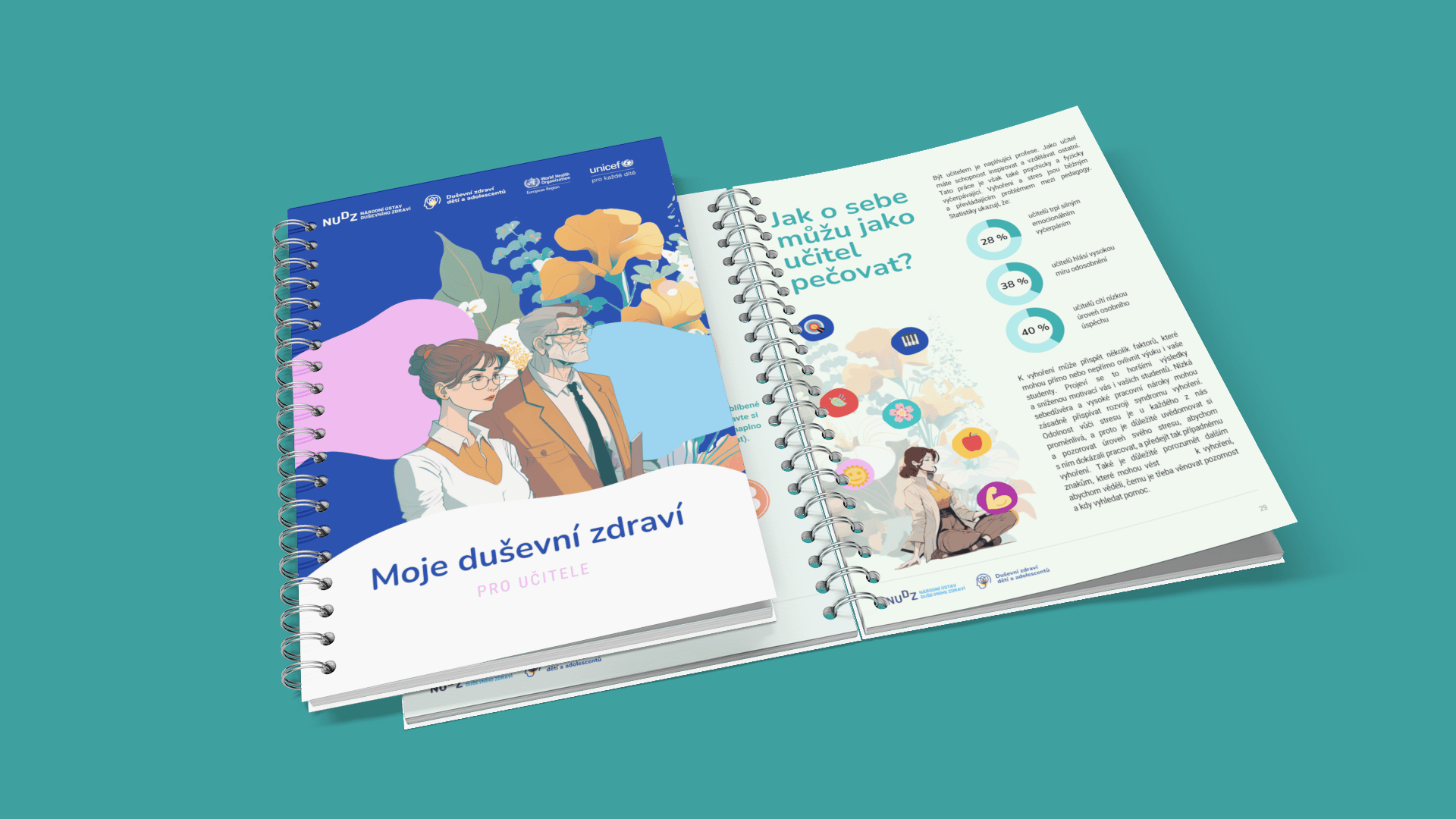
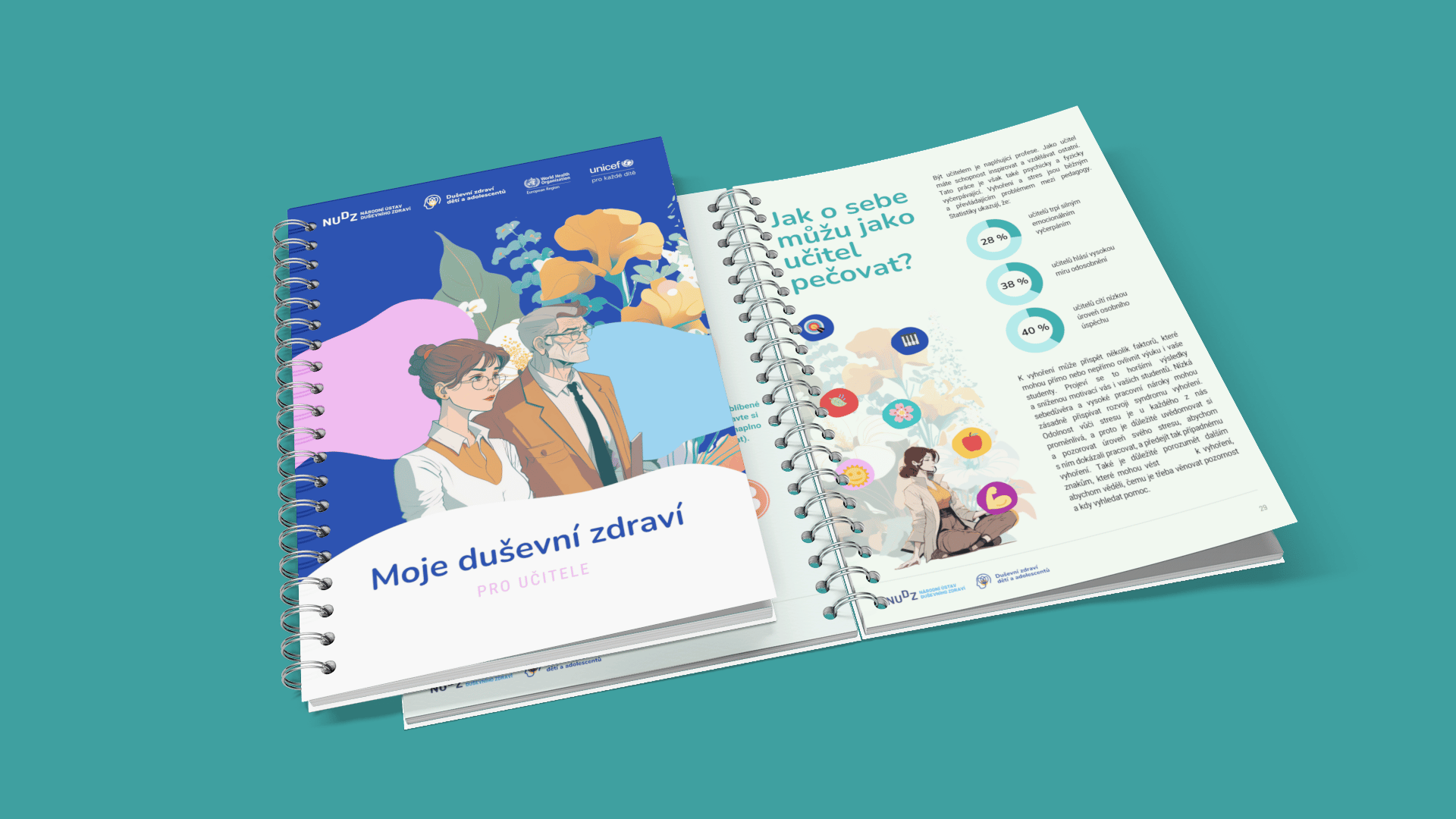
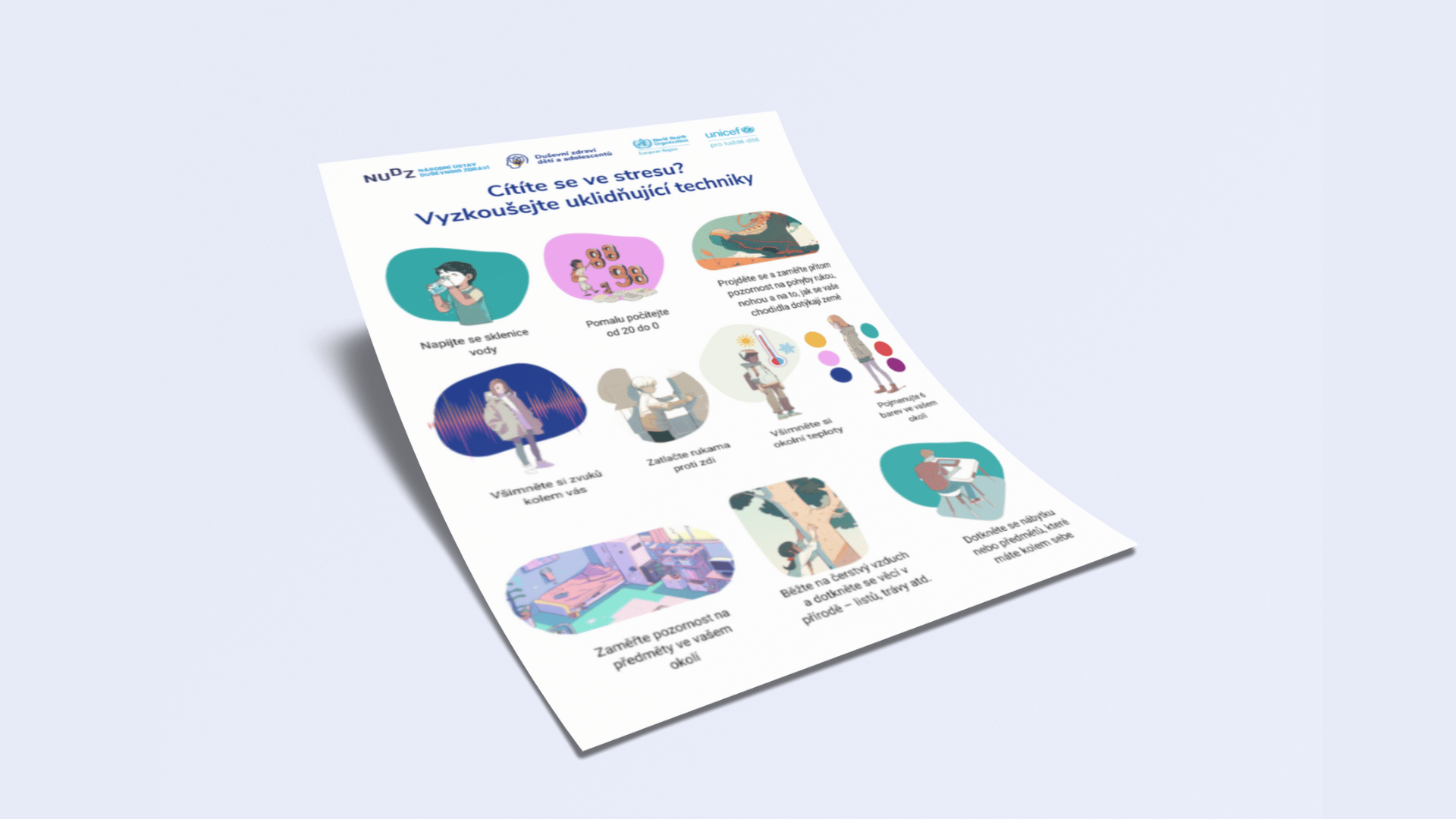
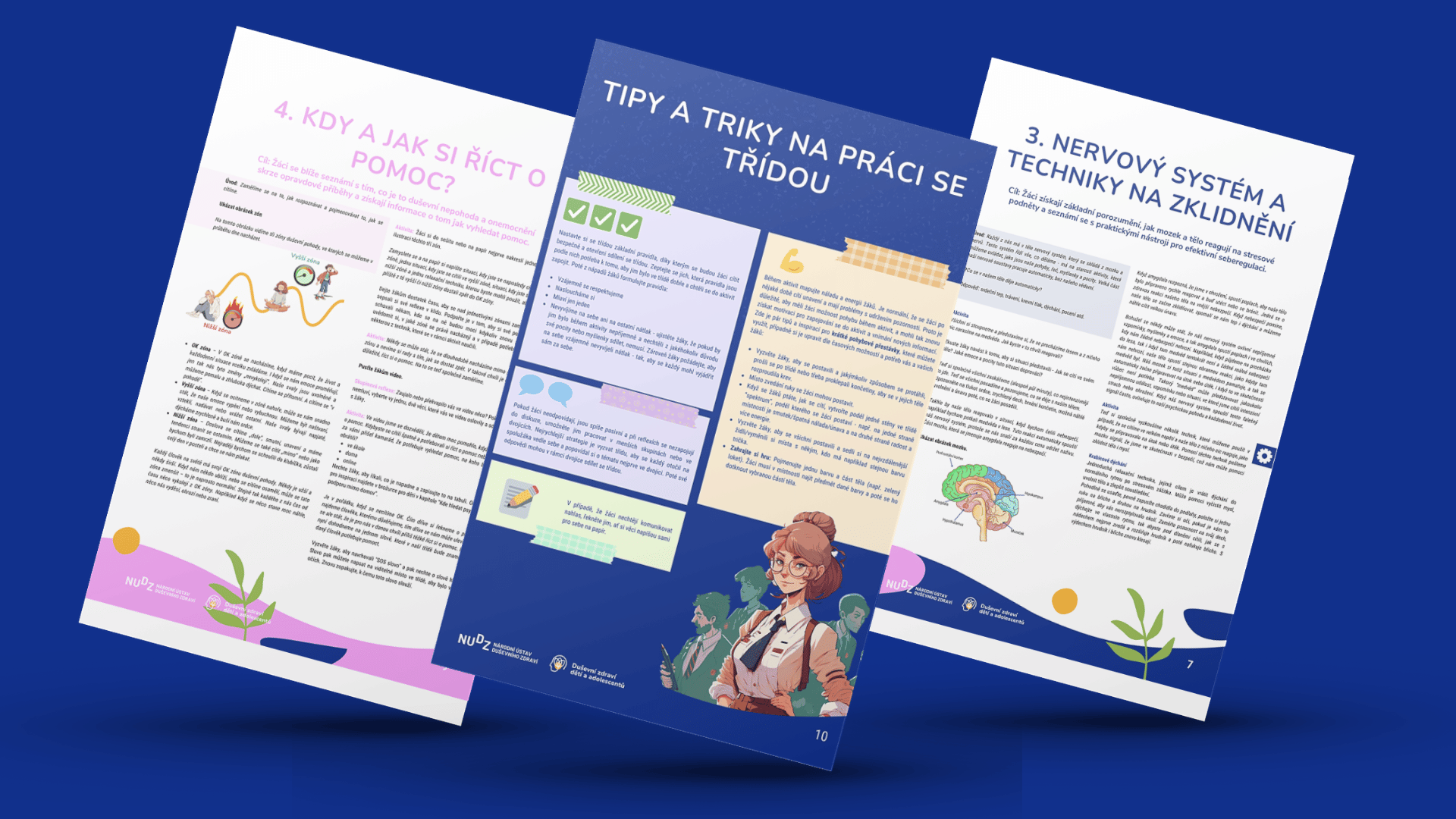
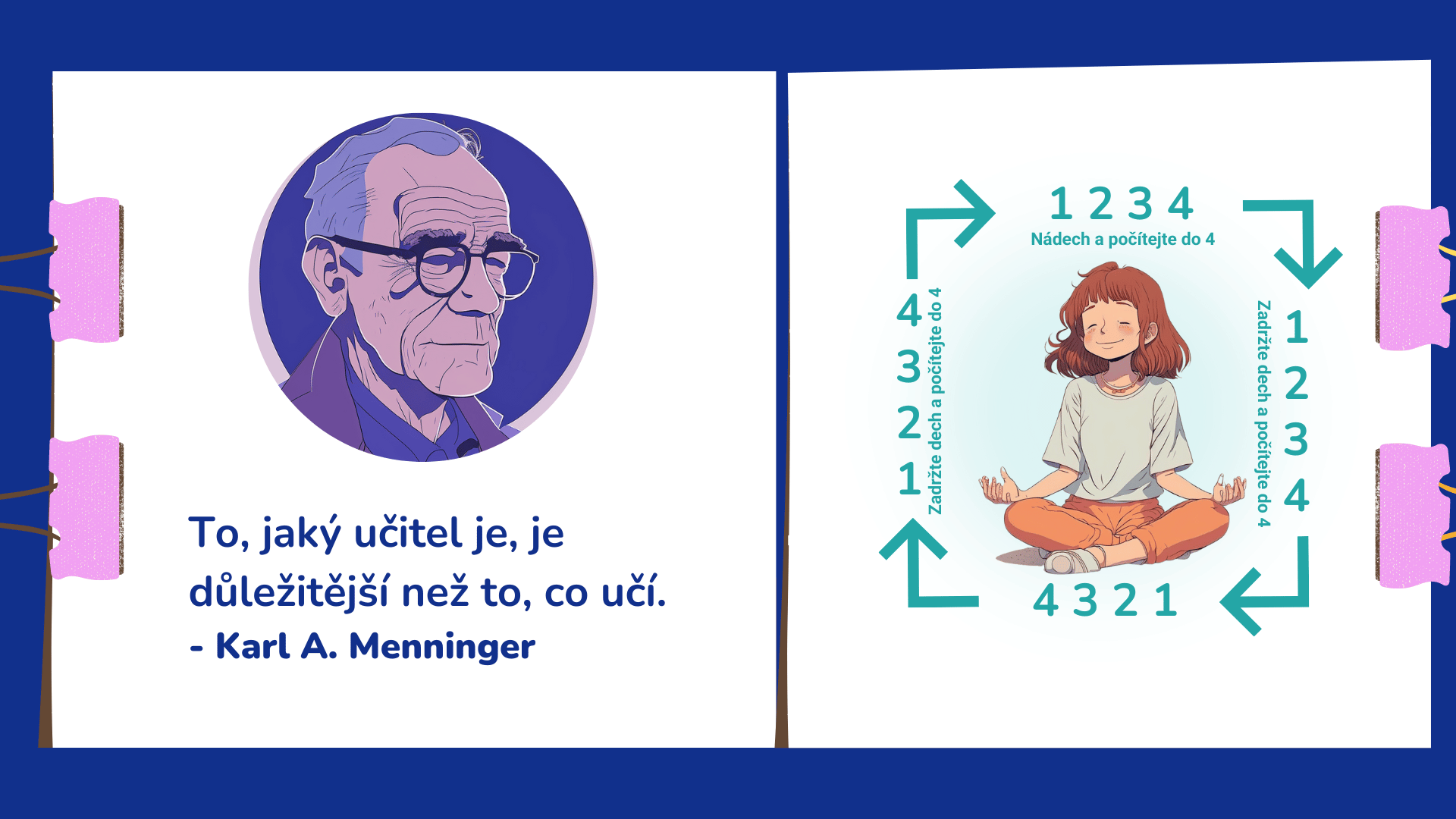
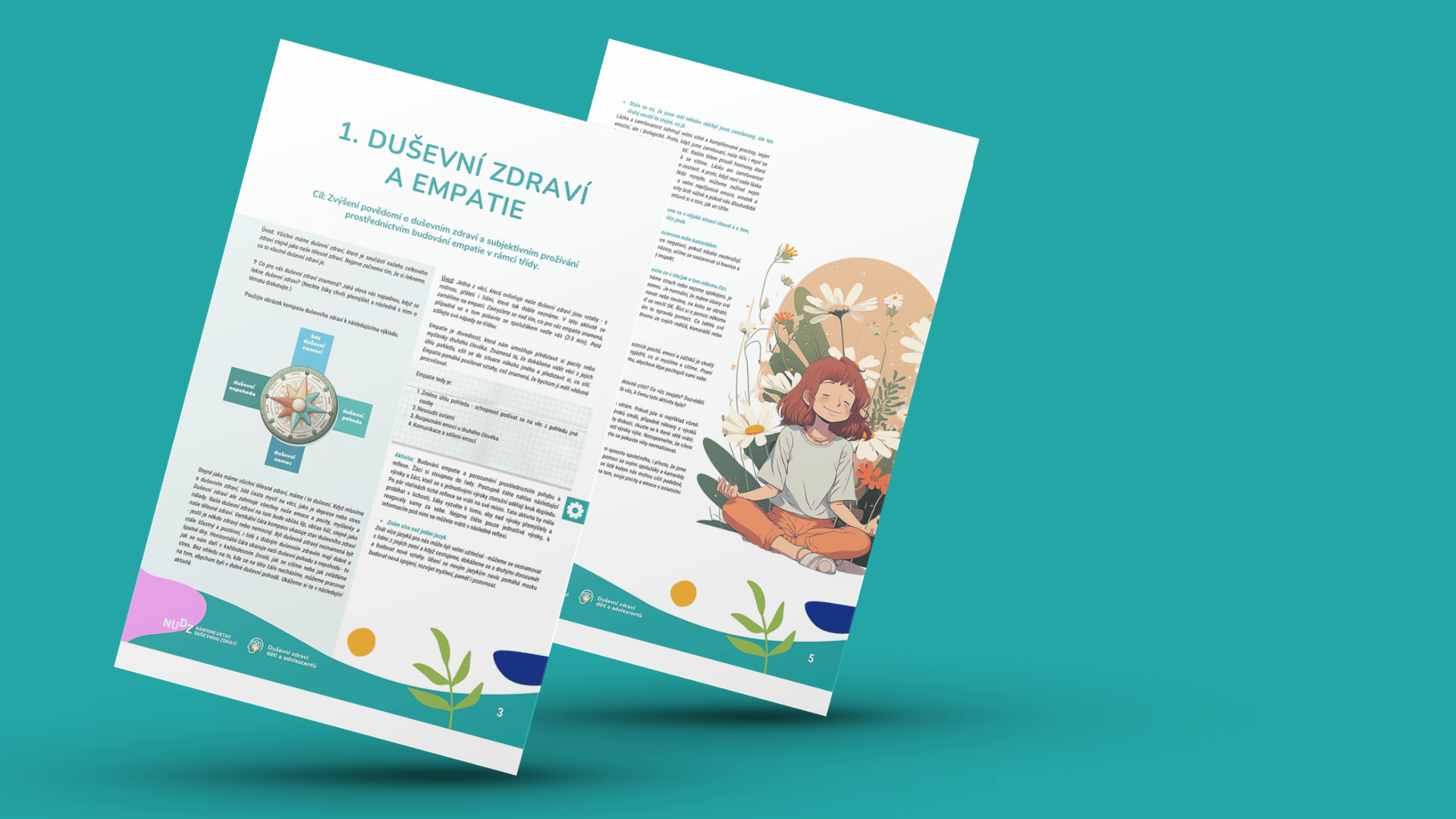
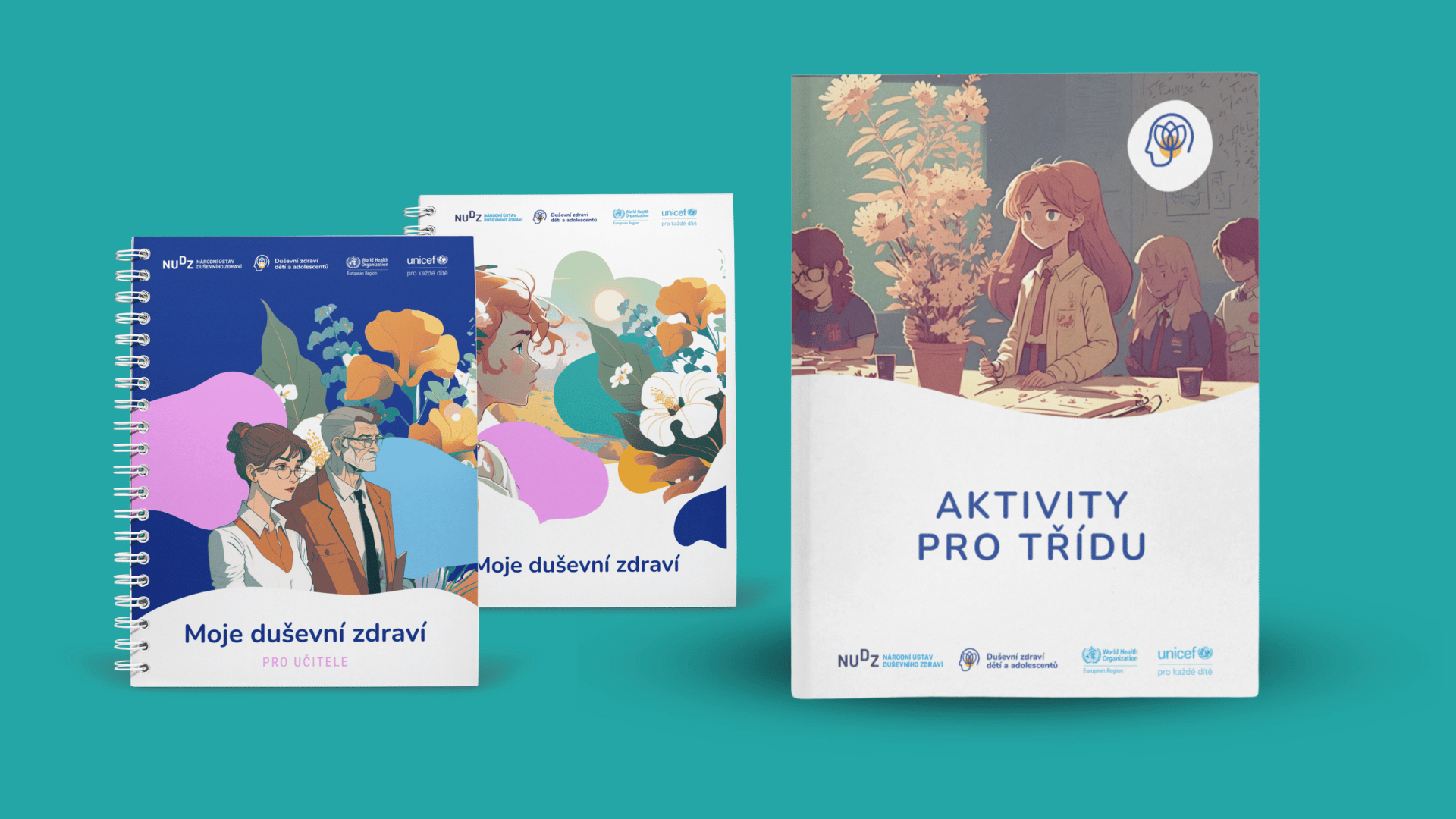
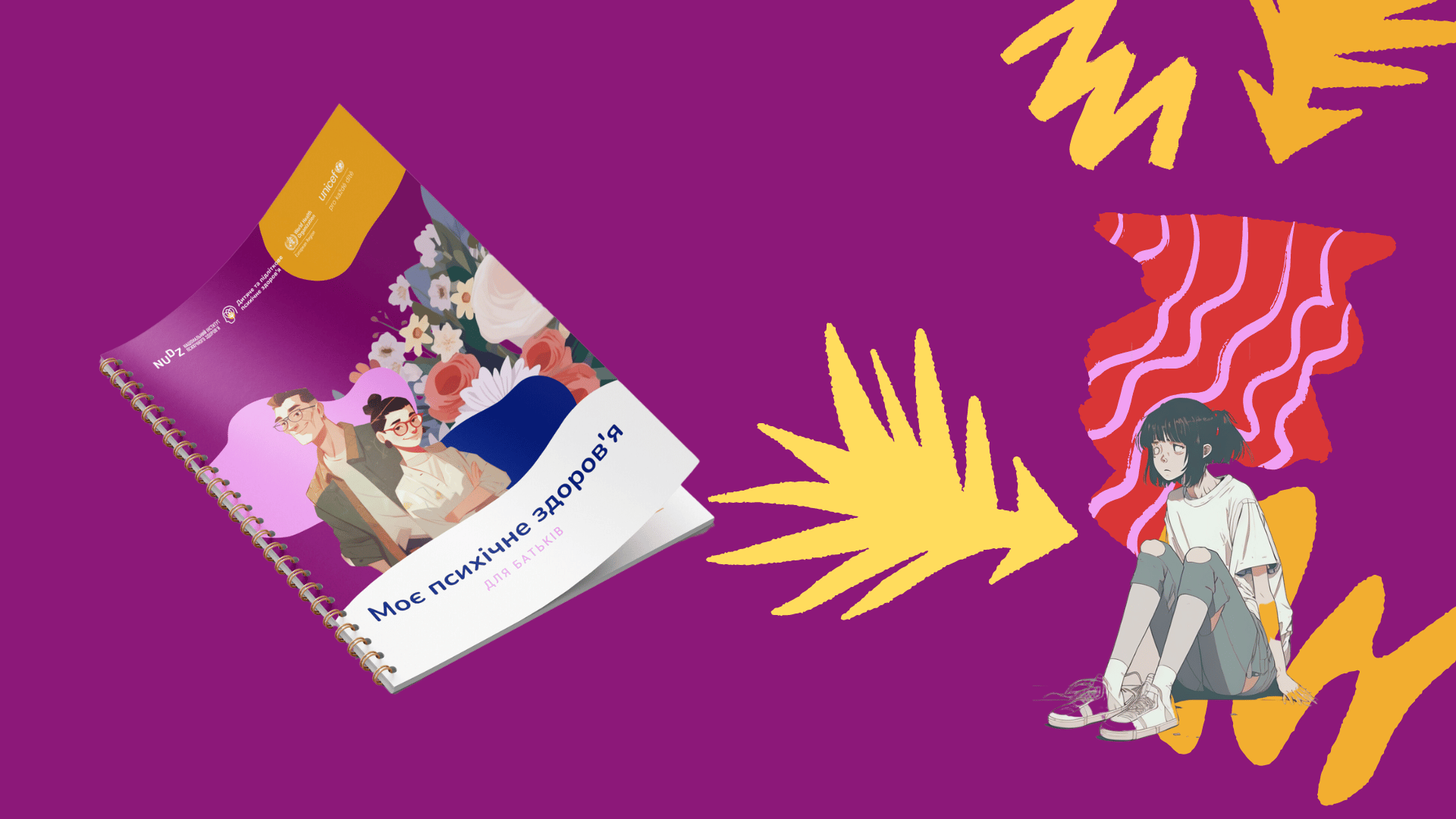
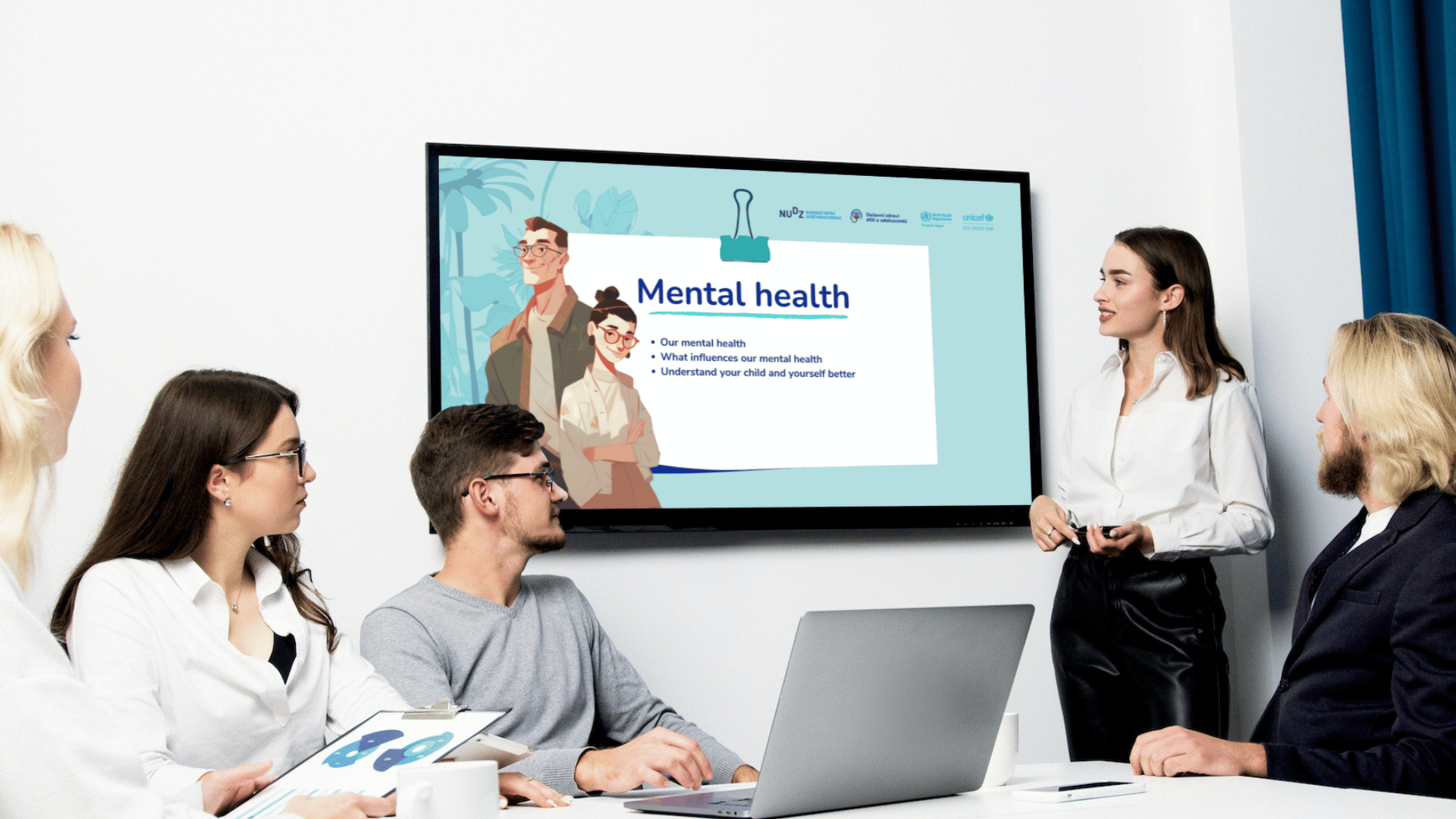
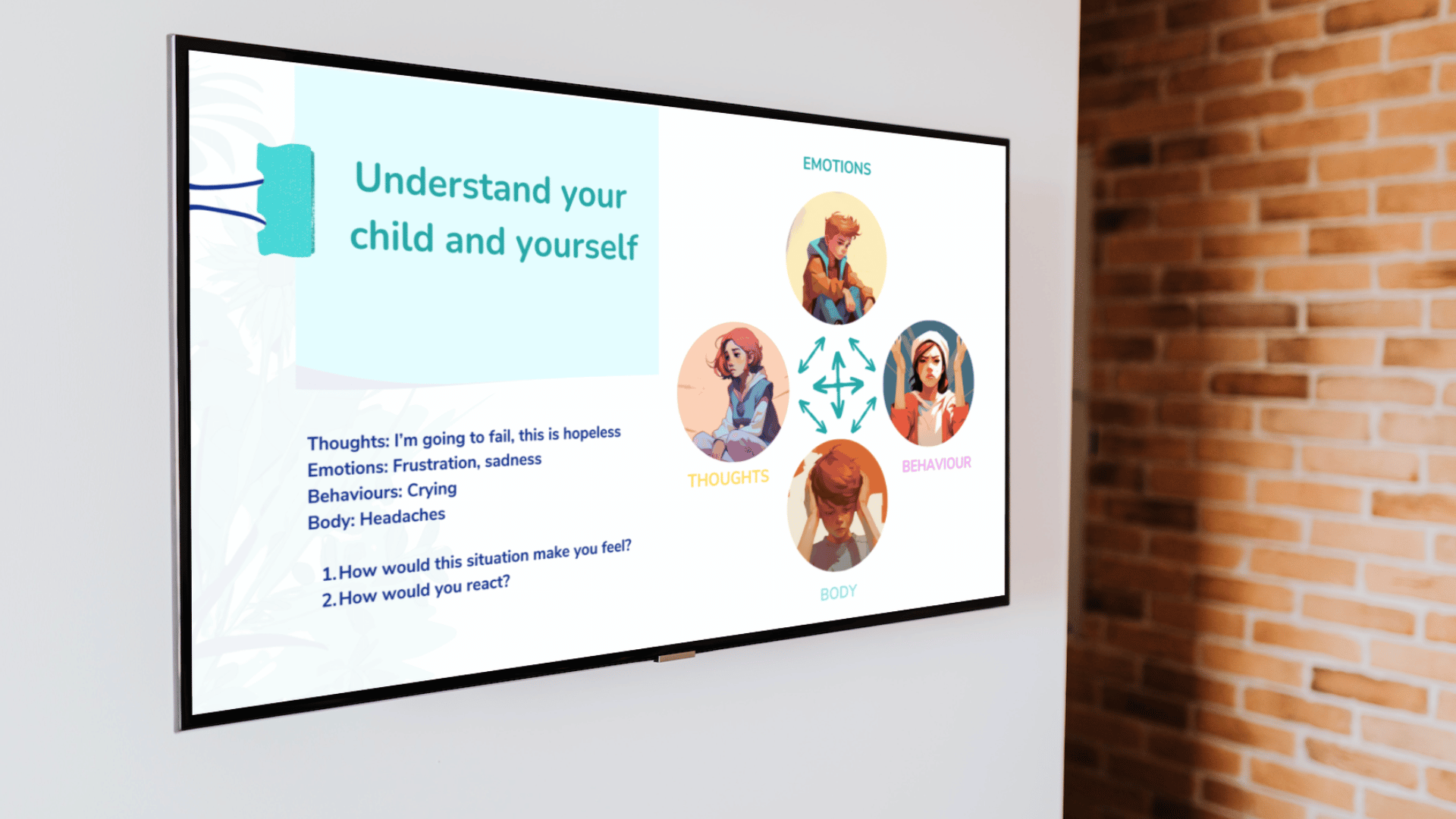
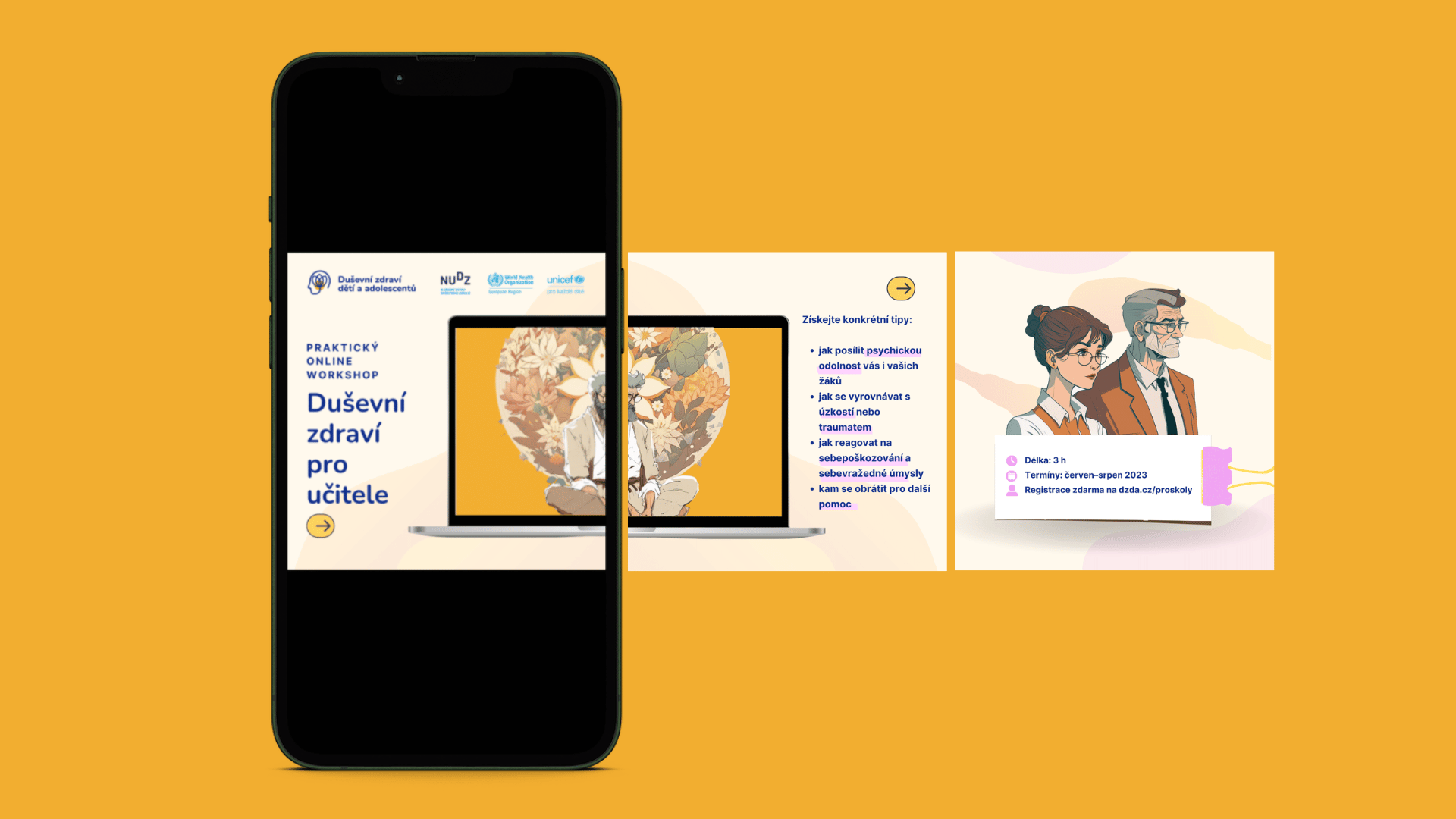
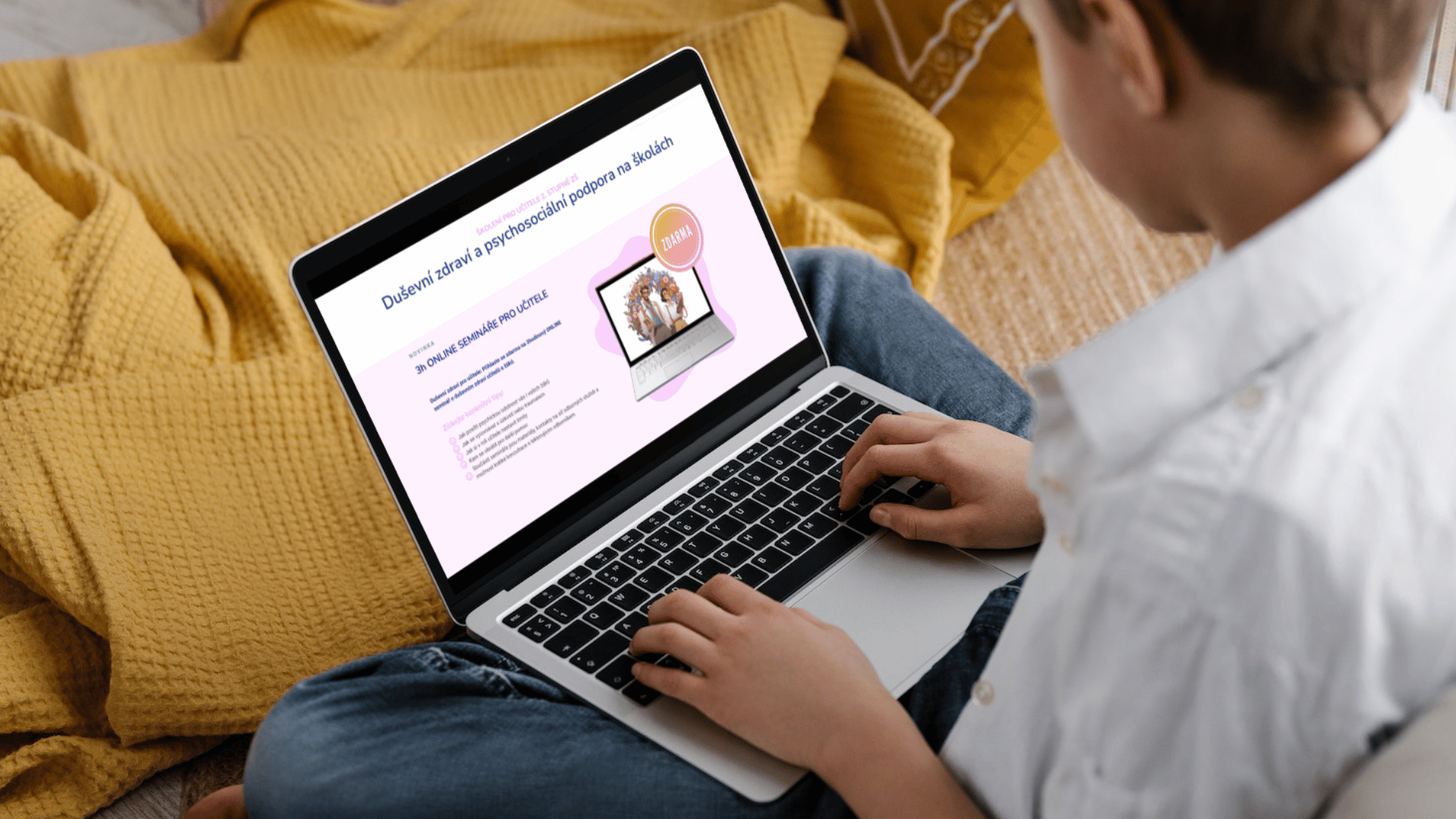
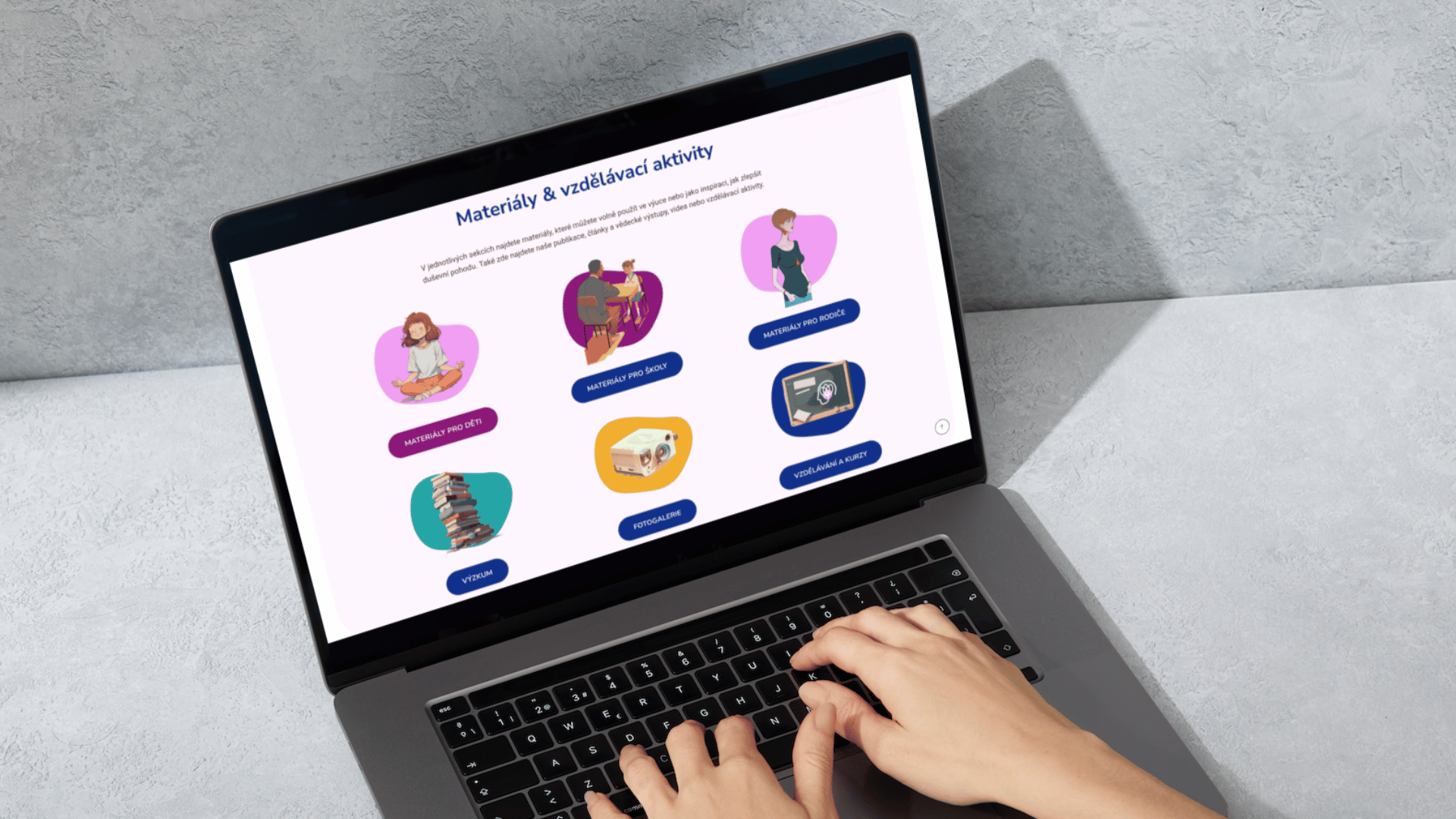
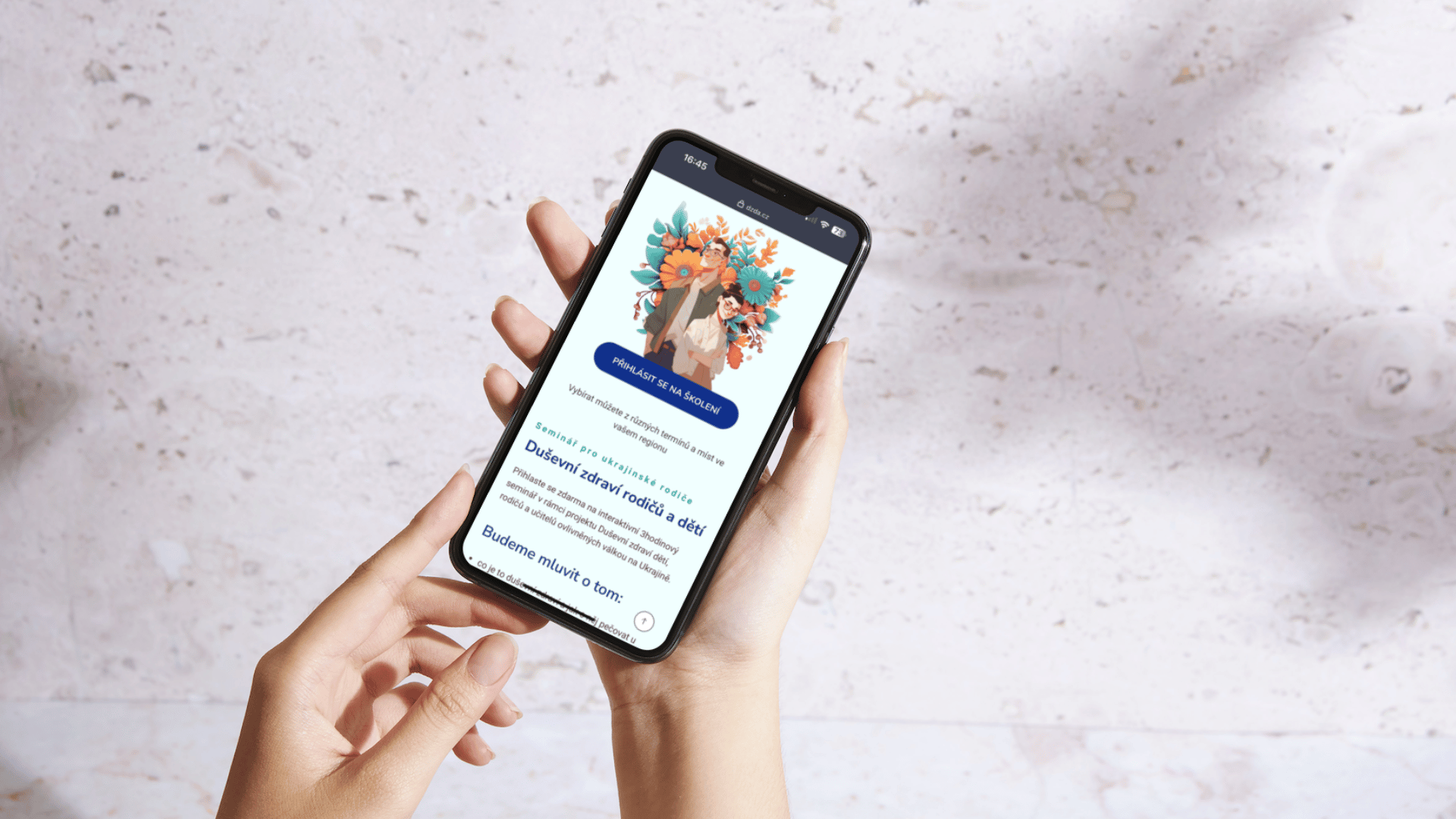
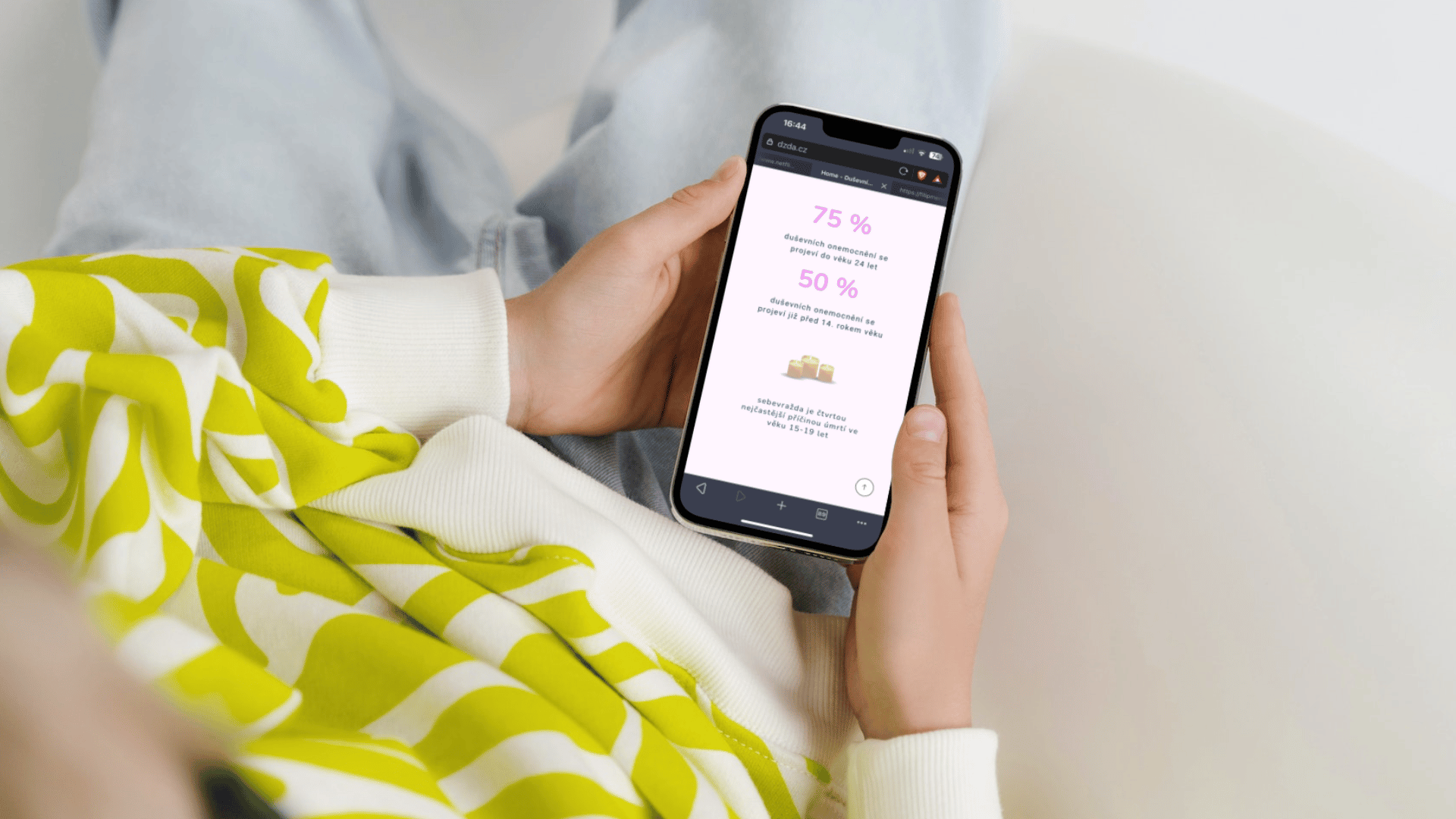
I designed the visual identity for the research group and created a coherent system for its individual projects and educational outputs. My work covered programme identities, publications, presentations, educational materials, and communication assets across multiple initiatives. The visual direction was highly illustrative and often comic-like, helping translate complex or emotionally demanding themes into formats that felt more humane, legible, and engaging for both adults and younger audiences.

A major part of the work was supporting projects connected to children and families affected by the war in Ukraine, including materials for teachers, schools, and Ukrainian parents. I also worked on educational programmes such as Bez obav, which helps parents better understand and respond to children’s anxiety. The result was not a single campaign identity, but a broader visual ecosystem for a research group producing many outputs over time.

What I Did

Over the years, I developed an evolving visual system built around the recurring motif of the inverted head, treating it each year as a flexible conceptual anchor rather than a fixed logo device. Each edition introduced a new interpretation of this central symbol, allowing the festival identity to remain recognizable while still feeling alive and responsive to the current theme.

The broader visual style drew on collage, bookish textures, and a more poetic editorial sensibility, reflecting both the setting of the festival and the nature of its programme. My role covered the full visual communication of each edition, including campaign visuals, social media, annual web updates, outdoor and online advertising, printed programmes, and merchandise. The work was less about producing isolated assets and more about sustaining a recognisable cultural identity over time.

Result

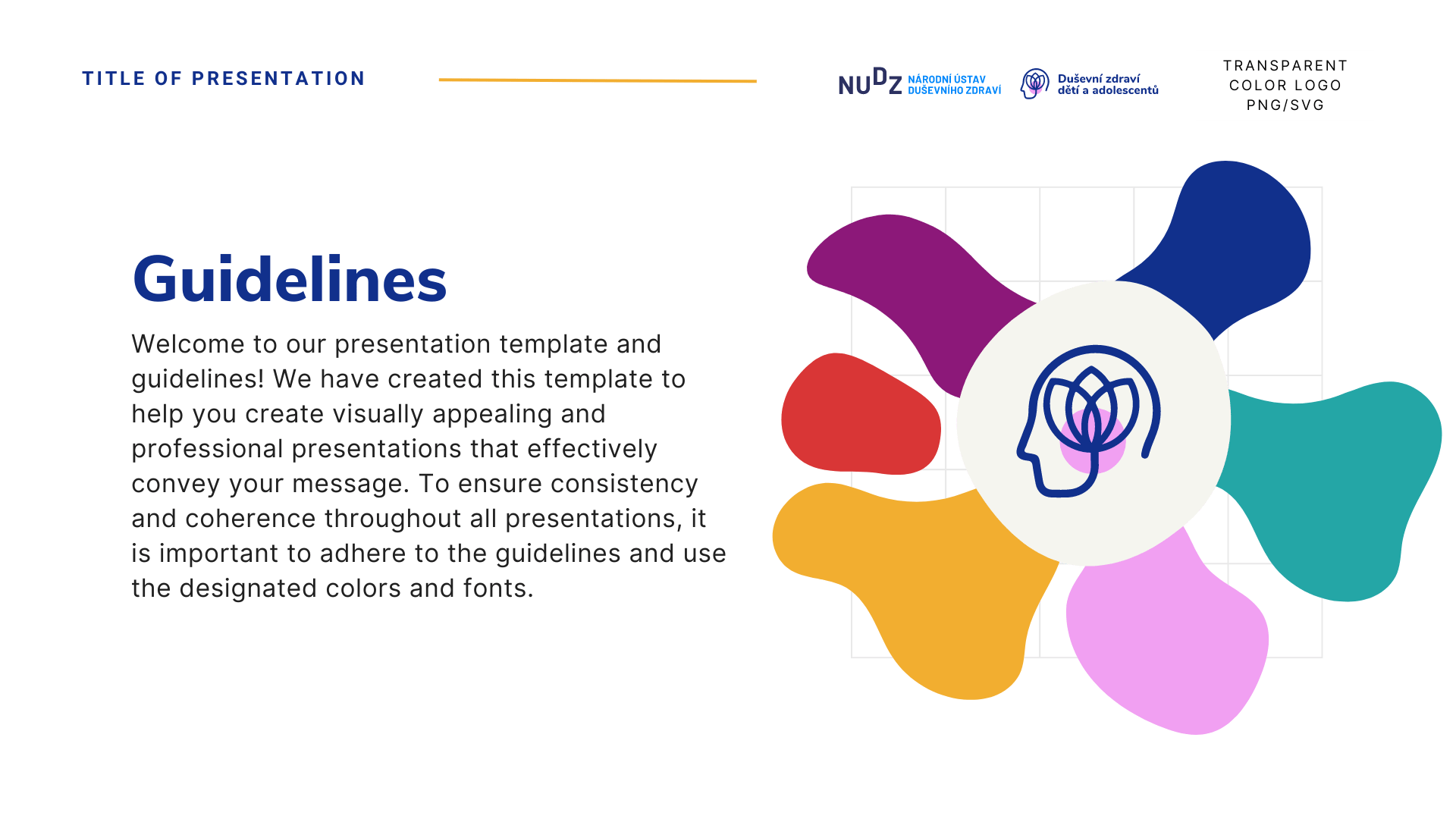
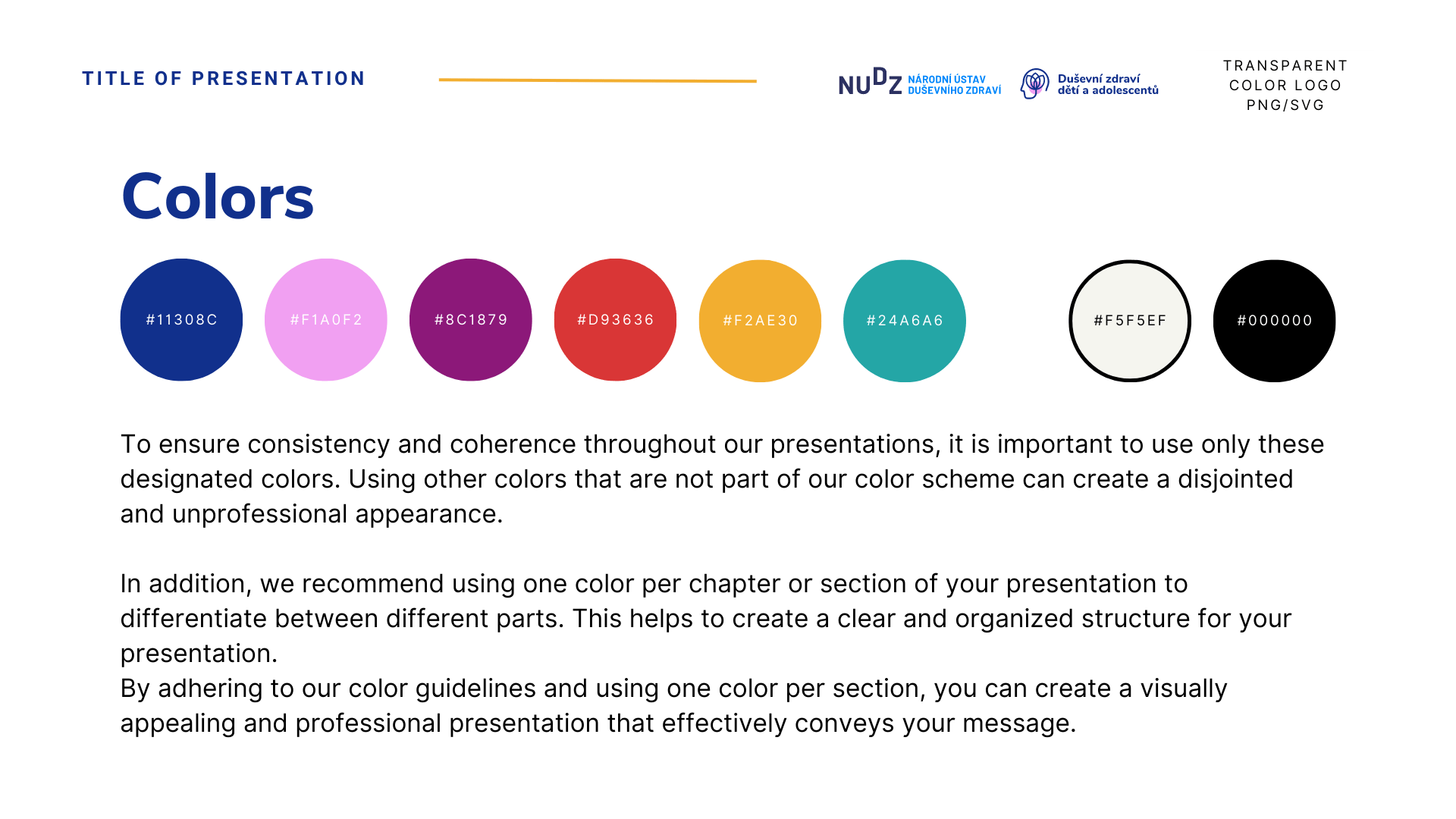
The result was a unified and scalable communication system that helped the group present a wide range of mental health programmes in a consistent and approachable way. The visual language supported materials aimed at teachers, parents, and children, while giving the broader research group a clearer identity across projects. Because the outputs combined education, prevention, and psychosocial support, the design had to carry both clarity and care, and the system helped make that possible across print, presentations, teaching resources, and programme communication.